How VAR Technology Is Being Implemented in Arab Leagues
Stadium riots from years ago were caused by official mistakes in refereeing decisions. Now the Arab leagues have poured millions of dollars into VAR systems to remove these referee errors. The officials in every city from Casablanca to Riyadh have exchanged their old whistles for an assortment of high-speed monitors and biometric devices used to communicate during games. With the use of high-tech communication, the outcome of a game is now dependent on athletic ability, not human decision-making at critical times. We will take you through the technological transformation that has changed football in the Middle East.
Modern Infrastructure Integration
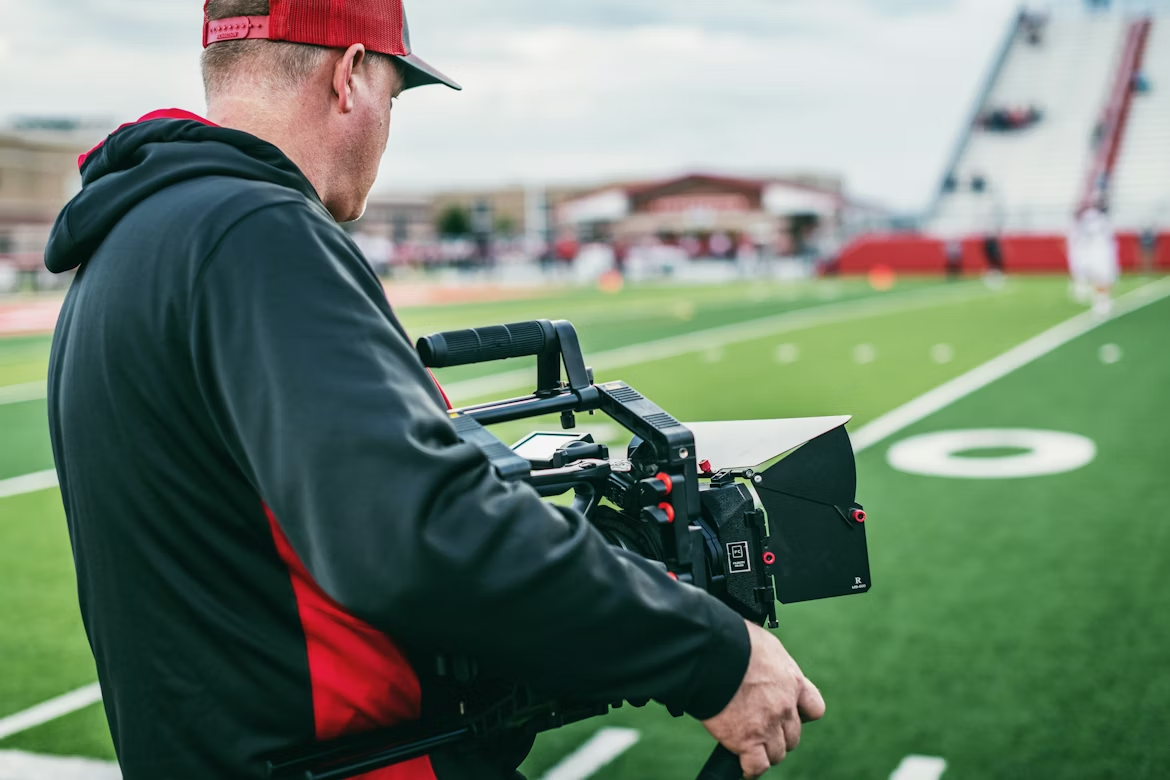
Saudi Arabian and Qatari top-tier clubs have stripped down their stadium broadcasting booths for use as elite server housing. The local installation teams then placed high-definition cameras in a ring around each field to capture live action from all angles. This camera equipment enables video assistant referees to magnify the details of a player's tackle under scrutiny by the referee without losing either image quality or frame rate.
The shift toward centralizing these operations has led to the creation of massive media hubs in major capital cities. Fans often follow these technological updates and match stats through bilinmeyen casino siteleri on their mobile devices. Referees no longer sit in cramped vans outside the stadium but work from climate-controlled suites with direct fibre links. This specialized setup prevents equipment overheating and ensures the video feed never lags during a crucial penalty check.
Regional Training Initiatives
The academies focus on developing the ability to make quick decisions under extreme stress to maintain a fast tempo and keep fans entertained throughout the match. Modules are included within the training program that specifically address style differences between regions and international refereeing:
- Live match simulations using historical footage from the AFC Asian Cup.
- Physical fitness testing combined with mental stress management under heat.
- Communication drills to streamline dialogue between the pitch and the booth.
These initiatives ensure that domestic officials can handle the high-octane tempo of modern professional football without constant delays.
Distinct Technical Components
Maintaining a fair game requires a specific toolkit of hardware that handles everything from player tracking to instant replays. Modern fans often track these technical stats and live updates via platforms like melbet app during the ninety minutes of play. Leagues are adopting specialized systems that work together to provide a seamless safety net for every on-field official.
Semi-Automated Offside Technology
The Saudi Pro League led the way by implementing limb-tracking sensors that monitor twenty-nine specific points on every player. These sensors send data five hundred times per second to an AI that calculates exact offside lines instantly. This automation removes the need for manual line drawing, which previously caused five-minute delays during matches.
Referees receive a notification on their watches within seconds of a potential infraction occurring on the pitch. Fans then see a generated 3D animation on the stadium screens to verify the accuracy of the final call. This visual evidence has significantly reduced the friction between supporters and match officials during high-stakes derbies.
Fiber-Optic Communication Networks
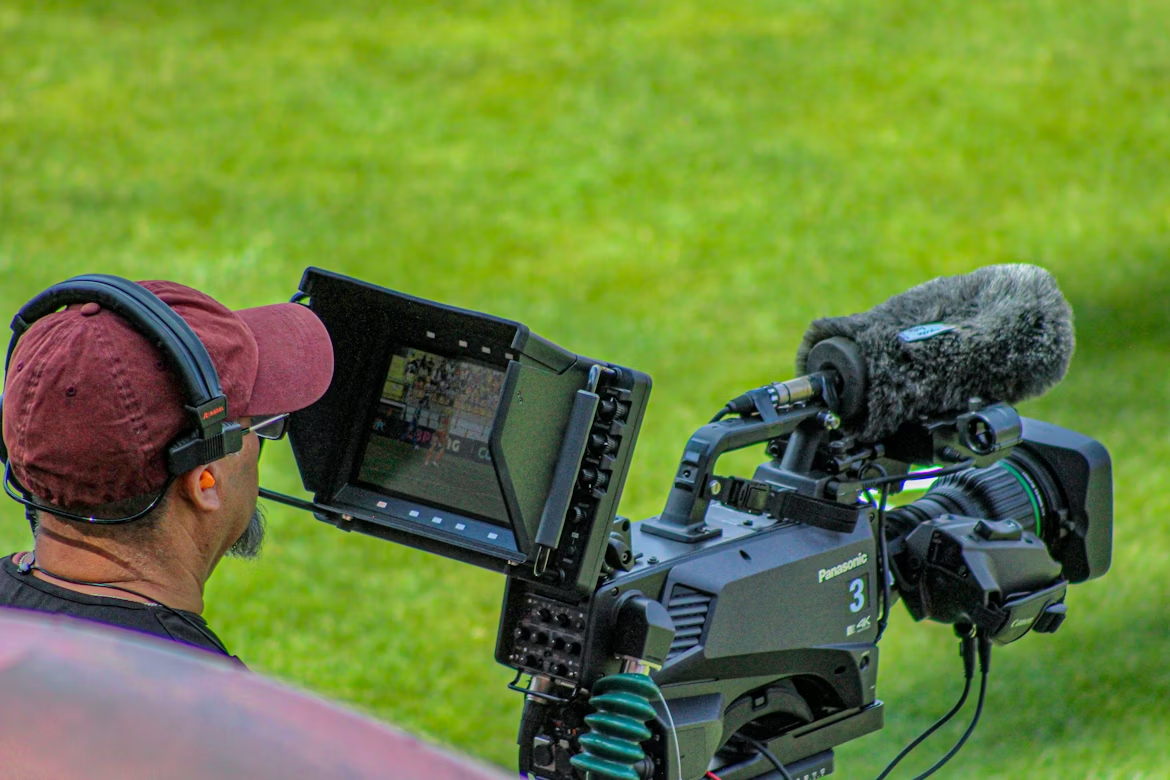
Stadiums across the UAE and Iraq now rely on dedicated underground fiber cables to transmit massive amounts of data. This infrastructure guarantees that there is zero latency when the video assistant sends a replay to the pitchside monitor. Without these high-speed connections, the VAR process would be too slow to maintain the emotional flow of the game.
Technicians monitor these lines constantly to prevent any signal interference during international broadcasts or local league matches. The reliability of this network allows for "remote VAR," where officials work hundreds of miles away from the stadium. This centralized approach ensures consistent decision-making across all matches in a single league weekend.
Impact on Match Statistics
Since the full integration of video reviews, the accuracy of "game-changing" calls in the Egyptian Premier League has increased significantly. Statistics show a sharp decline in wrongful red cards and incorrectly awarded penalties compared to the previous five seasons. This data confirms that technology is effectively protecting the sporting integrity of the region's most popular football competitions.
Furthermore, the average time taken for a review has dropped as officials become more comfortable with the software interface. Faster checks mean that players stay warm and the crowd remains engaged rather than waiting in silence for minutes. These statistical improvements have boosted the commercial value of the leagues by providing a more professional television product.
Strategic Collaborative Partnerships
The Saudi Pro League and UAE Pro League have secured long-term contracts with companies like Hawk-Eye and Genius Sports to modernize their technical infrastructure. These partnerships involve installing specialized cooling systems for stadium hardware to ensure high-speed servers function perfectly in extreme desert heat. These deals provide local federations with exclusive access to the latest optical tracking software and referee communication tools.
Hawk-Eye Innovations
Most prominent leagues in the region utilize Hawk-Eye’s goal-line technology to ensure every ball crossing the line is tracked. This system uses high-speed cameras to create a virtual map of the goal area with millimeter precision. When the ball clears the line, the referee’s watch vibrates instantly to signal a goal has been scored.
The partnership also includes specialized software that helps track the ball’s trajectory during complex corner kicks or free kicks. This level of detail helps officials identify fouls that are often hidden in a crowded penalty area during play. Having this global standard in place elevates the prestige of Arab leagues on the international sporting stage.
Localized Data Analysis
North Africa's national soccer associations have begun using VAR (Video Assistant Referee) logs to track which types of foul incidents are most frequently called by referees. This provides the respective leagues with insight into whether a particular team is habitually testing the limits of the rulebook. The collected information is disseminated to all relevant refereeing officials so they may better prepare for upcoming games against opponents who have traditionally been at odds with each other, both physically and aggressively.
By focusing the analysis on local data, the leagues' officiating styles adapt to the physical demands of each league. Additionally, it allows the leagues to develop an officiating model that uses technology to support referees rather than replace their instinctive judgment. As such, the leagues are able to maintain their individuality within North African culture while ensuring safety and fair play.
Transparency and Fan Engagement
Arab leagues are currently leading a global shift by broadcasting live audio conversations between referees and the VAR booth. This initiative allows fans inside the stadium and at home to hear the exact reasoning behind controversial penalty or red card decisions. Providing this level of access humanizes officials and effectively de-escalates the tension that often follows a lengthy review process.
Stadium big screens now feature detailed animations and text overlays that explain specific FIFA rules applied during a play. This educational approach ensures that supporters understand technical terms like "deliberate handball" versus "natural silhouette" in real time. By removing the mystery from the booth, federations are fostering a much more respectful and professional environment for every match.
Future Digital Horizons
The "Connected Ball" technology is designed to provide real-time data from inside the ball using internal sensors that report location-based information at 500 Hz. By combining these sensor readings with artificial intelligence, automatic decision-making is possible for offside calls and ball-out-of-bounds determinations, reducing review time. In addition, future development could include biometric tracking to monitor player fatigue levels and thus reduce the risk of heat-related cardiac emergencies.
◆ Build with us
Every event, verified and scored. One API call away.